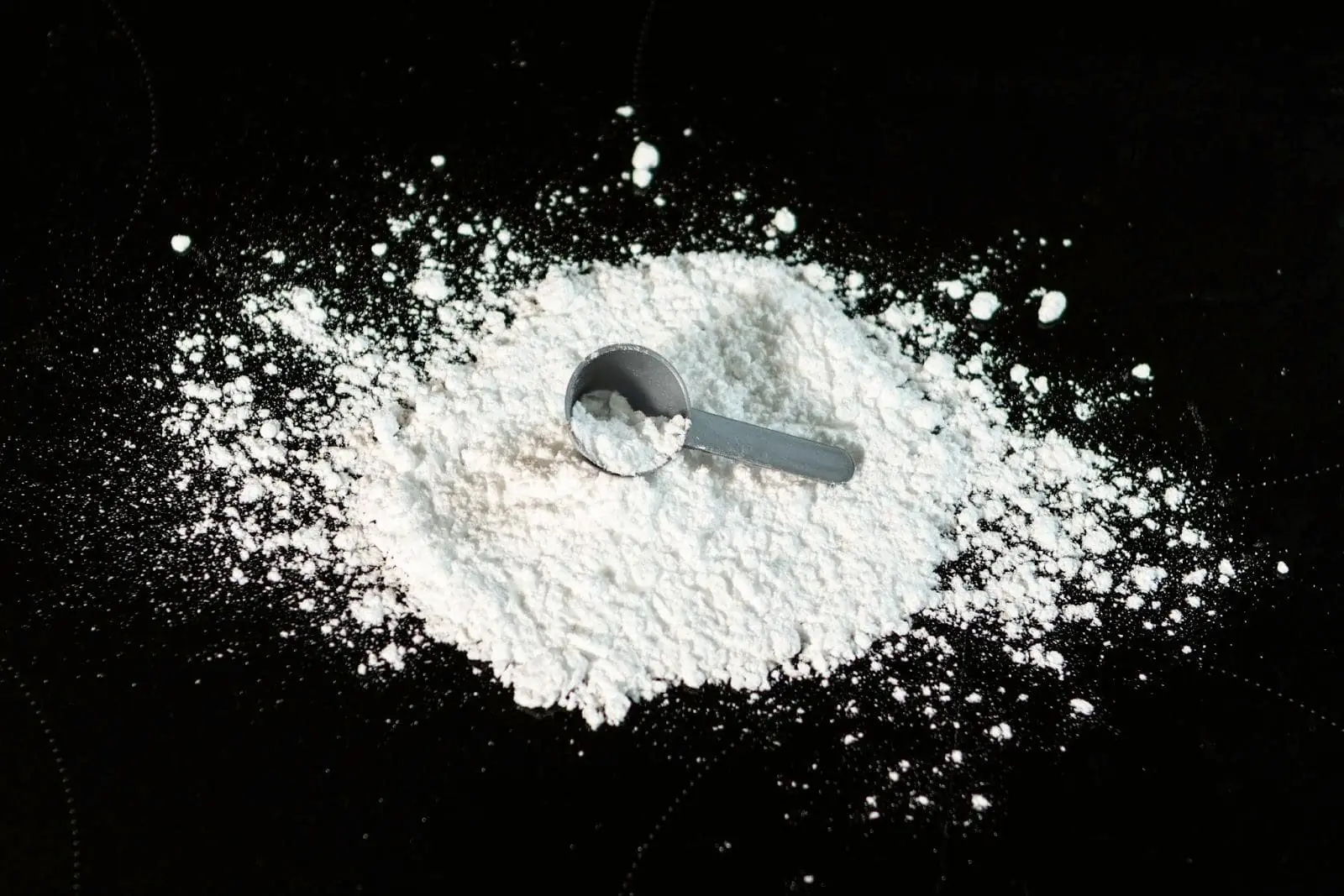

What is magnesium bisglycinate?
Magnesium bisglycinate (or glycinate) combines magnesium with the amino acid glycine in a chelated form that is highly bioavailable and well tolerated. This means less digestive discomfort and often better effects on sleep and muscle cramps compared to other forms. Glycine itself has a mild calming effect, reinforcing the benefits of this form [NIH ODS].
How to choose magnesium bisglycinate?
Here are 4 key tips to avoid common pitfalls:
- Form: choose magnesium bisglycinate/glycinate non-buffered (without magnesium oxide).
- Elemental magnesium: check the label for the amount of elemental magnesium per capsule. Bisglycinate contains ~14% magnesium, usually 100–200 mg per capsule.
- Purity & excipients: go for minimal additives and vegetable capsules.
- Quality: prefer transparent brands, ideally with third-party testing (USP, NSF, etc.) [Mayo Clinic].
Avoid "buffered" formulas: they often contain magnesium oxide, which is poorly absorbed and more laxative.
Price: what to expect?
A one-month course of magnesium bisglycinate typically costs €12 to €25, depending on:
- actual magnesium content,
- purity (non-buffered),
- quality certifications,
- where you buy it (pharmacy, online, health store).
Tip: Always compare price per 100 mg of elemental magnesium, not per capsule. Two similar-priced products can have very different effective doses.
What makes bisglycinate unique
Magnesium bisglycinate forms a stable, neutral complex that is gentle on the gut and well absorbed. This explains its reputation as the most "stomach-friendly" form. Its content is about 14% elemental magnesium, so capsules can be relatively large.
For a complete overview of roles, needs, and dietary sources, check our magnesium guide.
Dosage and duration
- Recommended intake: 300–350 mg/day (EFSA, Europe), 320–420 mg/day (RDA, USA) — including diet + supplements [EFSA].
- As a supplement: 100–400 mg/day of elemental magnesium, often in 2 divided doses.
- Typical duration: 4–8 weeks, up to 3 months if needed, followed by a break and reassessment.
The upper tolerable limit (UL) for supplemental magnesium is 350 mg/day in adults [NIH ODS].
When to take it?
- Evening: 1–2 h before bed for sleep and relaxation.
- Split morning/evening: for better absorption and tolerance.
- With meals: if you have a sensitive stomach.
- Space 2 h apart from antibiotics, iron, or thyroid medication [Harvard Health].
For more detail on morning vs evening timing, see our guide: Magnesium in the morning or evening?.
Sleep Protocol
- Target: trouble falling asleep, night awakenings, evening tension.
- Dose: start at 200 mg/day of elemental magnesium (bisglycinate). Adjust between 200–300 mg/day.
- Timing: 1–2 h before bedtime. Optional split: 50–100 mg late afternoon + the rest at bedtime.
- With food: better tolerated with a light snack. Avoid caffeine/alcohol in the evening.
- Duration: 4–8 weeks, then take a 1–2 week break and reassess.
- Adjustments: if drowsy during the day → lower the dose or take earlier.
Stress / Well-being Protocol
- Target: mental load, irritability, nervousness, mild cramps.
- Dose: 200–350 mg/day of elemental magnesium (bisglycinate), e.g. 100–200 mg in the morning + 100–150 mg in the evening.
- Timing: morning with breakfast, evening 1–2 h before bed. On very stressful days, an extra 50–100 mg at noon if tolerated.
- Tolerance: better with food if your stomach is sensitive.
- Duration: 6–8 weeks, then reassess (stress, sleep, cramps).
Comparison with other magnesium forms
| Form | Absorption | Digestive tolerance | Special effects | Best use |
|---|---|---|---|---|
| Bisglycinate | Excellent | Very good | Calming (glycine) | Stress, sleep, cramps |
| Citrate | Good | Mildly laxative | Osmotic effect | Constipation, general use |
| Oxide | Poor | Low | High Mg content | Not recommended |
| Malate | Good | Fair | Energy (Krebs cycle) | Fatigue, vitality |
| Taurate | Good | Good | Cardiovascular support | Heart health, blood pressure |
| Chloride | Moderate | Variable | High solubility | Liquids, topical magnesium |
Quick summary
- Choice: non-buffered bisglycinate, clear label, minimal additives, trusted brand.
- Price: €12–25/month; always compare by price per 100 mg elemental magnesium.
- Dosage/duration: 100–400 mg/day; 4–8 week courses (max 3 months).
- Timing: best in the evening or split doses; keep 2 h away from sensitive medications.